
Eating Disorder Recovery Support
Dieting, disordered eating and eating disorders
Do you feel preoccupied about food, weight and exercise? Do you feel depressed, guilty, disappointed or hopeless? Or are you constantly focus on numbers and measurements?
Unlike before, now you have lost touch with food, your hunger cues and sense of fullness. You cannot seem to trust yourself. There are food rules and rituals you abide by. You may find yourself compulsively eating or worried that if you do allow yourself a ‘treat’, you would be out of control. You are constantly worried about your weight or feel unhappy or even disgusted about your body. Therefore, you find ways to control, cope, deal or distract - which involes purging, bingeing or compulsively exercising.
What may have started of as dieting for health reasons have gone out of control. You may feel in control but really - the thoughts, emotions and behaviours are ruling more and more of your life.
If you feel that part of this describes how you are feeling or where you are, you are not alone.
In a culture that places an unhealthy emphasis on being thin and lean, many of us women (and men) are battling this entrenched mindset. The mindset that being thin indicates success, status, and health, and if you are not thin, you are not attractive, not worthy and not loveable.
For some of us, the disordered eating behaviours are not solely a problem with food, appearance or exercise. In fact, there is almost always underlying issues involved, which will relate to a ‘disordered sense of self’. Know that disordered eating is complex. Every person who has or had disordered eating has their own story and experiences.
We may use the terms eating disorder and disordered eating interchangeably but we do prefer the term disordered eating instead of eating disorder. Why so? Because disordered eating ranges in severity and varying degrees. It may not fit into clinical diagnoses of eating disorders but together with body image dissatisfaction, it can still affect wellbeing negatively. Hence, if you recognise any level of destructive relationship with food, yourself or the world at large, it is important to seek help early.
You may be feeling stuck, afraid, guilty or ambivalent about change. To overcome disordered eating, will take courage and strength but to let be - is and will never be worth it. So do not let anyone, especially that eating disorder voice, talk you out of recovery. Reach out for the support you need.
How do you overcome an eating disorder or disordered eating?
Eating disorders (or disordered eating) are complex and involve mental, cultural, relational and biological aspects. The journey to recovery involves changing thoughts, feelings, behaviours and relationships, as well as addressing real underlying issues.
However, a key step to overcoming eating disorders, is to recognise what ‘the eating disorder’ is really doing to you and what it will never do for you. It will never help you resolve a problem, increase your worth, make you invulnerable to pain or give you true peace of mind. Instead, it is oppressing, causing harm and robbing you of life in many forms.
Uncovering patterns, changing behaviours and leaving behind your eating disorder may feel scary, risky, and too difficult. However, these feelings of fear are never good reasons to allow the eating disorder to stay while it oppresses and cause harm. The way out is to go through the process of recovery. It may feel difficult but by letting the eating disorder go, it will open up new opportunities for a better life.
Having an eating disorder can feel lonely. Today, start taking small steps towards a better relationship with food, yourself and the world, and take that journey with the help of others.
Eating Disorder Recovery Coaching
Eating disorder recovery coaching has been a relatively recent addition to traditional treatment of eating disorders. Recovery coaches support you (or your clients) in reaching their treatment goals in real-life situations. We provide support, appropriate challenges and exposure as they journey through recovery.
As coaches, we do not diagnose or treat eating disorders. However, we understand the complex nature of eating disorders and work alongside your (or the) treatment team, to assist in making day-to-day behavioural changes necessary for recovery. Our work focuses on response and prevention, in the ‘here and now’.
As a dietitian, I have been working with clients with eating disorders to rehabilitate their nutritional status and change food-related behaviours. I recognise the importance of coaching, which involves support in everyday situations, beyond food. So, I aim to incorporate this aspect into services, to better support you or your clients. Hence, I am currently undergoing training with Carolyn Costin Institute, which offers a sophisticated, thorough and rigorous program and certification.
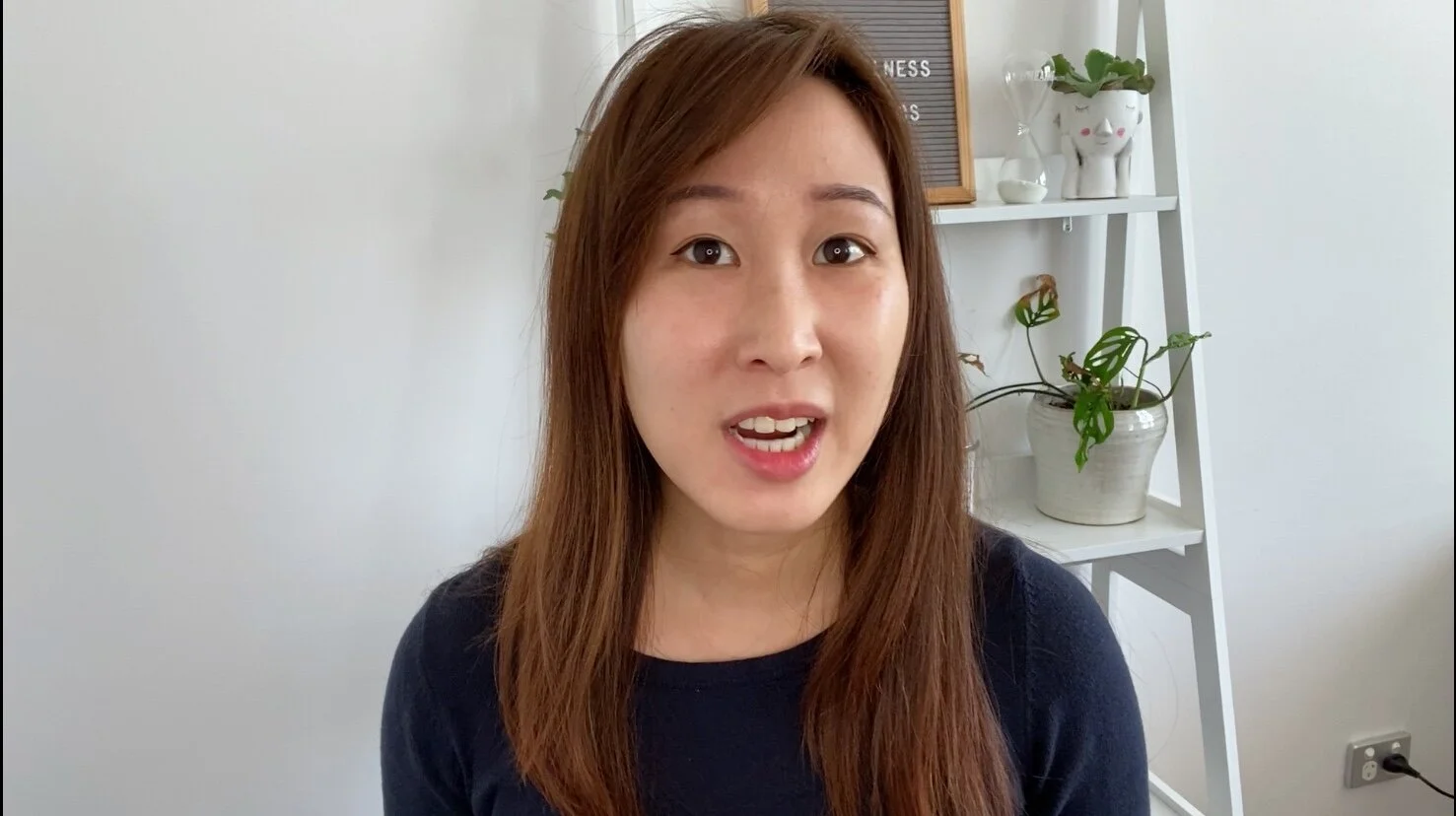
Please watch the video below, where I cover more information on recovery coaching.
A partnership.
Partnering with you to overcome disordered eating and related behaviours, so that you can begin a new approach to life and find meaning beyond.
Now, what is recovery?
Besides recognising what the eating disorder is really doing to you, is to understand what recovery is, in other words, what a life without eating disorder looks like. Carolyn Costin defines recovery as the following.
“Being recovered is when the person can accept his or her natural body size and shape and no longer has a self-destructive or unnatural relationship with food or exercise. When you are recovered, food and weight take a proper perspective in your life, and what you weigh is not more important than whom you are; in fact, actual numbers are of little or no importance at all. When recovered, a person will not compromise their health or betray their soul to look a certain way, wear a certain size or reach a certain number on a scale. When a person is recovered, he or she does not use eating disorder behaviors to deal with, distract from or cope with other problems.”
This is the direction we want to help you move towards - a life beyond and free from eating disorder.
Journeying with you
If you are ready to take small steps towards a happier healthier you, I will accompany and guide you. Having experienced disordered eating, body dissatisfaction and mental health issues myself, I understand that recovery takes time, self-compassion and practice. I will support you in a non-judgemental and gentle manner, while providing you a nurturing environment and accountability to make healthy progress.
On this journey, you will learn to accept, respect and care for yourself again. You will learn to develop a healthy relationship with food, your body and weight. Along this process, we also hope that you will rediscover yourself again (or for the very first time).
If you are interested to work together, do get in touch. We have a six months program available for clients. Please refer to our Frequently Asked Questions page. Alternatively, speak to me over the phone or book in for a free introductory call.